Technology has always played a key role in the development of the textile industry. However, in recent years, this transformation has accelerated like never before. Nextgeneration technologies such as 3D printing, artificial intelligence, and machine learning are redefining the way textile products are produced, designed, and used. Today, customdesigned fabrics are produced much faster, manufacturing processes are optimized through automation, and even “smart textiles” that can respond to their environment are being developed. This technological shift is offering brands and manufacturers new business models and opportunities for sustainable growth. Technological transformation in the textile industry
The textile sector, which brings to life a wide range of products from clothing to home textiles on a global scale, is undergoing significant changes in materials and production methods due to digital transformation. In particular, digital printing, 3D knitting technologies, automation, and robotic systems are at the forefront of this shift. Computeraided design (CAD) allows for the rapid and precise creation of complex patterns, while automated looms can weave tens of thousands of meters of fabric each day.
 Not only natural fibers but also synthetic ones are now made more resistant to water, wind, wrinkles, or UV light thanks to technology. Breaking boundaries with 3D printing 3D printing technology paves the way for creative freedom in textile design while significantly speeding up custom manufacturing and prototyping processes. As a low-materialuse method, it offers an environmentally friendly alternative, while also reducing production costs and human error. 3D-printed fabrics with high durability contribute to a circular economy by enabling longer-lasting products. Smart production with artificial intelligence Artificial intelligence goes beyond automation in manufacturing, playing a role in design, quality control, and planning processes as well. With AI-powered systems, manufacturers achieve higher efficiency with fewer errors.
AI-assisted design software shortens timeto- market by enabling rapid prototyping and testing. Additionally, AI-integrated quality control systems instantly detect defective products, increasing brand reliability. Challenges ahead: Sustainability and standardization Despite offering many solutions, the textile industry still faces fundamental challenges. Rising labor costs, pressure for sustainability, and a lack of industrywide standardization can hinder digital transformation. Environmental impacts—such as high water and energy consumption and harmful chemical waste—make the need for transformation even more urgent.
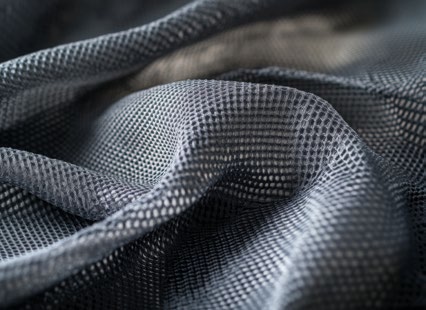
Smart fabrics and a sustainable future Smart fabrics, which can respond to environmental factors, are expected to become more widespread in the future. These materials will have applications ranging from health monitoring to sports performance tracking. Digital printing technology enables fast, economical, and customized production. In addition, a shift toward natural fibers and the use of alternative materials like bamboo and hemp will contribute to sustainability efforts. Conclusion: Technology is redrawing the boundaries The ongoing technological revolution in the textile industry is not only simplifying production but also making the sector more sustainable, innovative, and accessible. Although challenges remain, technology is helping the industry become more resilient—both economically and environmentally. The fabrics of the future are no longer woven solely with design, but with data, intelligence, and sustainability.