The Turkish textile industry is strengthening its export roadmap for 2026 by focusing on market diversification, production efficiency, and technology-driven investments. As global trade dynamics continue to evolve, manufacturers are adapting their production and export strategies to remain competitive in international markets.
Companies across the Turkish textile sector are reinforcing relationships with existing customers while actively exploring opportunities in emerging markets. Technology-oriented machinery investments, fast delivery capabilities, and sustainable production practices have become central priorities for achieving long-term export growth.
Market Diversification Becomes a Key Export Strategy
Changing demand patterns across Europe continue to encourage Turkish textile manufacturers to expand into new regions. Growing textile demand in the Middle East, North Africa, Central Asia, and Latin America is creating fresh export opportunities for Turkish producers.
This expanding market landscape is motivating manufacturers to diversify their product portfolios and develop solutions tailored to different customer segments. Industry representatives emphasize that increasing market diversity will play a crucial role in supporting Türkiye’s textile exports throughout 2026.
Technology Investments Strengthen Global Competitiveness
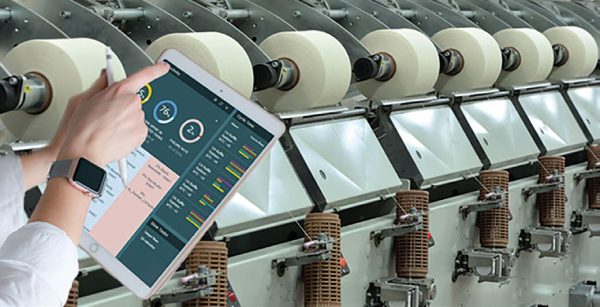
Technology continues to shape the future of the Turkish textile industry. In 2026, manufacturers are prioritizing automation-supported production lines, digital control systems, and advanced manufacturing technologies that improve efficiency while maintaining high-quality standards.
Industry 4.0-compatible production facilities enable companies to optimize operational costs while ensuring consistent product quality. These investments also enhance Türkiye’s reputation as a reliable manufacturing partner for international buyers.
Modern dyeing and finishing technologies that reduce energy and water consumption are becoming increasingly important, particularly in markets with strict environmental regulations. Sustainable manufacturing solutions are expected to provide Turkish exporters with an additional competitive advantage in global trade.

Innovation Will Drive Export Growth
Industry experts believe Türkiye’s flexible production capabilities and ability to adapt quickly to changing market conditions will continue to strengthen its position in global textile trade.
The combination of advanced machinery investments, sustainable production technologies, and diversified export markets is expected to support the industry’s growth targets throughout 2026. Together, these strategic priorities reinforce Türkiye’s role as one of the world’s leading textile manufacturing and export hubs.